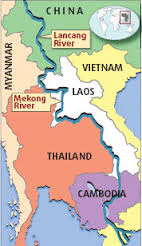
 One way to enhance the east west economic corridor is by advancing on a cross-border transport agreement. In this vein, Thailand is the region decelerating the process that will ultimate bridge economies between it and Vietnam, Laos, and Myanmar.
According to a recent Asian Development Bank, Japan International Cooperation Agency, Japan External Trade Organization, Overseas Human Resources and Industry Development Association and National Economic and Social Development Board (NESDB) survey, it is hoped that Thai investors will put their money into Laos and Vietnam, further advancing the economic corridor.
The corridor was established by the Ministerial Conference of the Greater Mekong Subregion in the late 90s to encourage development and integration of the four regions. It started functioning at the end of 2006 based on a 1,450-kilometre road, spanning the regions.
It is important the zones receive substantial investments (especially from Thais) and will be mutually beneficial. According to Arkhom Termpittayapaisith, NESDB secretary-general, investing in these regions provides Thais with “attractive investment incentives, tax privileges and one-stop services.” Conceived as a plan to be financially beneficial for all four regions, the east west economic corridor will become most successful if Thais – in particular – make investments in industries from services to trading, education and public health.