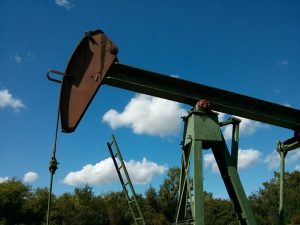
 In 2017, Asia became the largest purchaser of US crude oil, a trend that is likely to continue in 2018 which is significant given that it has just been two years since Washington ended its crude-export ban. According to statistics from the US Census Bureau, the percentage of how much oil Asia took from the US was 37, which was a development of 9 percent in 2016.
The Chinese refineries (government owned) are supplementing their barrel capacity by half a million tis year and the teapots (independent refiners) are also developing. US government is predicting that production will reach more than 11 million barrels per day in the next 9 months which is right up there with Saudi Arabia and Russia. According to ESAI Energy Inc. analyst Elisabeth Murphy, “Asia is definitely the market for where exports will grow.”
Another instances of US-Asian collaboration is the presence of the US State Department’s presence at the Singapore air show in an effort to enable US defense contractors to permeate the Asian market. According to Tina Kaidanow, State Department principal deputy assistant secretary for Bureau of Political-Military Affairs who is “responsible for the conduct of our defense sales across the globe but with particular reference, at least over the next few days, to the Indo-Pacific…This is an increasingly important region of the world for us. This is something we are really committed to developing these partnerships both in the bilateral sense but also in a multilateral sense. Over the next few days I will be speaking both to representatives of the individual countries that will be here at the show but also to some of our U.S. companies and to others so it’s a real opportunity for me and I’m looking forward to it.”